
The Rise of “Digitally Native” High-Rises: Vertical Mobility in the AI Era
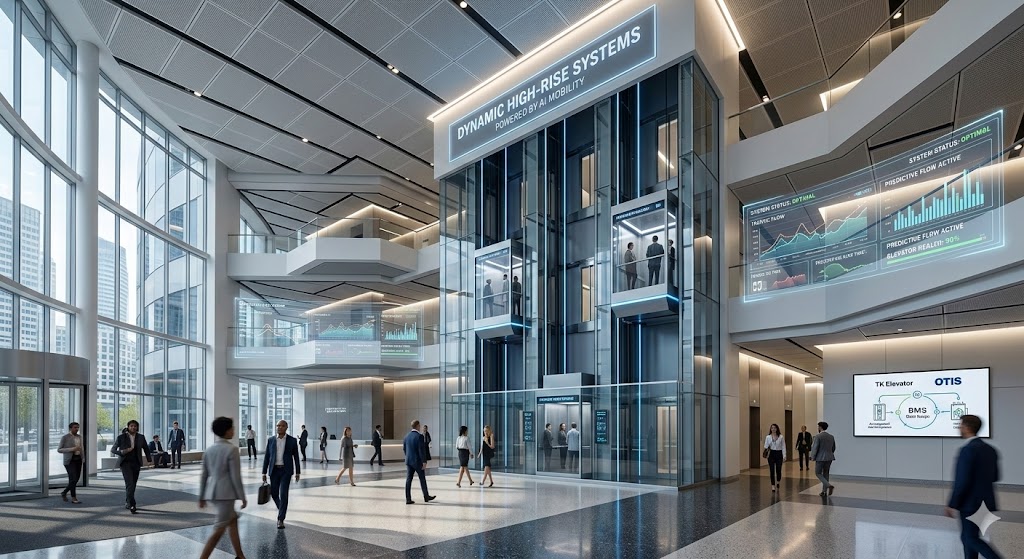
The Rise of “Digitally Native” High-Rises: Vertical Mobility in the AI Era CANNES, FRANCE — As the global real estate community gathers for the MIPIM 2026 conference, the conversation has shifted from the height of skyscrapers to their “intelligence.” Leading vertical transportation (VT) giants, notably TK Elevator (TKE) and Otis, have officially declared the end of the standalone elevator. In its place, they have introduced “digitally native” mobility platforms that treat every elevator car as a high-functioning IoT node within a building’s nervous system. From “Up and Down” to “Search and Predict” Historically, elevators operated on a reactive basis: a passenger pressed a button, and the system responded. The 2026 shift to digital-first platforms—such as TKE’s newly expanded Dynamic High-Rise framework and the Otis Gen3 series—changes this paradigm. These systems are now “digitally native,” meaning they are designed with cloud connectivity and AI processing at their core rather than as an add-on. By syncing directly with a Building Management System (BMS) via open APIs, elevators no longer work in a vacuum. They “know” the building’s schedule. “We are no longer just moving people; we are managing the pulse of the building,” says a TKE spokesperson at the MIPIM pavilion. “Through our dynamic dispatcher algorithms, the system anticipates a 9:00 AM lobby surge because it’s synced with the office check-in data and calendar events.” The News: AI-Supported Traffic Frameworks The centerpiece of this technological leap is the integration of AI-supported frameworks. These frameworks use machine learning (specifically Long Short-Term Memory networks) to analyze historical traffic patterns and real-time inputs. Predictive Dispatching: Instead of waiting for a call, the AI “stages” cars on specific floors based on predicted demand, virtually eliminating wait times during peak hours. BMS Synergy: In mixed-use developments, the elevator system can communicate with HVAC and lighting systems. If the AI detects a large group heading to the 40th-floor conference room, it can signal the BMS to pre-cool the space. Cyber-Resilience: With connectivity comes risk. The latest 2026 models are built to IEC 62443 standards, ensuring that the “digital fabric” of the lift is as secure as a bank’s server. The Impact: Slashing Downtime by 30% For building owners, the most significant “bottom-line” news is the drastic reduction in operational friction. By mid-2026, industry data suggests that these IoT-enabled systems will reduce equipment downtime by over 30%. Feature Impact on Operations Predictive Maintenance Identifies component wear (e.g., door rollers) before failure occurs. Real-Time Health Monitoring Allows for remote “intervention,” fixing software glitches without a technician visit. Energy Regeneration Captures heat energy during braking and returns it to the building grid. This shift toward “proactive” management means that the sudden “Out of Service” sign may soon become a relic of the past. As elevators become intelligent nodes, they are extending the lifecycle of the machinery by up to 25%, making the “digitally native” high-rise the new gold standard for urban developers.