











From Volleyball Court to Elevator Industry
Lessons beyond the game, a personal reflection on discipline, teamwork, strategy and how sport shaped a journey in vertical transportation.

The court may have been left behind, but the lessons remain.
In this edition of Beyond Nuts & Bolts, B.S. Kumaraswamy reflects on his school-day volleyball journey and how the game helped shape his professional life in the elevator industry.
What began as rigorous training under a disciplined coach became a foundation for resilience, quick decision-making, teamwork and strategic thinking.
When a sport becomes a professional school
Discipline
Built through demanding practice, endurance drills and consistency.
Teamwork
Learned through coordination between setters, spikers and defenders.
Strategy
Sharpened through tactical plays such as the short serve.
Execution
Carried into elevator marketing through quick decisions under pressure.
My association with volleyball began during my school days, from the 8th to the 10th standard, way back in the later part of the 1970s. Those three years taught me lessons that extended far beyond sports and eventually helped shape my professional life.
I was fortunate to be trained under Mr. Prabhakar, a highly disciplined coach who represented the Indian Air Force Volleyball Team. His experience, dedication and strict coaching methods instilled in us the values of discipline, teamwork, endurance and strategic thinking.
The game, the positions and the early lessons
Volleyball is a game played between two teams of six players each, separated by a net. The six positions on the court include the setter, middle blocker, outside hitter, opposite hitter, libero and serving specialist. Our team followed a simple 3-3 formation consisting of three setters and three spikers.
The setters were responsible for accurately placing the ball in the air for attacking opportunities, while the spikers were the offensive players who drove the ball powerfully into the opponent's court. In our team, I performed the dual role of serving specialist and setter. This position required quick decision-making, precision and the ability to read the game effectively.
Our team had the advantage of having several tall players, which gave us strength at the net. However, physical attributes alone were not enough. Coach Prabhakaran's training sessions were rigorous and demanding.
The pain that built confidence
Every practice session began with five complete rounds of the playground as part of the warm-up. This was followed by intensive drills involving ball control, receiving smashes and defensive positioning.
One of the most painful yet valuable exercises was learning to receive powerful spikes. The impact of the ball on our forearms, between the elbow and the wrist, would often leave them red and sore. Many nights we carried the pain home, and there were occasions when some of us felt like skipping the next day's practice.
Yet, over time, our bodies adapted, and our confidence grew stronger.
The short serve and the power of tactical thinking
The coach also emphasized tactical play. One strategy that remains vivid in my memory was the “Short Serve.” In this tactic, the server deliberately places the ball into zones 2, 3 or 4, preferably inside the 3-meter line.
The objective is to disrupt the opponent's offensive setup by forcing their attackers out of ideal approach positions. Learning such strategies taught us that success in sport is not merely about strength but also about intelligent planning and execution.
Life after the volleyball court
The benefits of this training extended beyond the volleyball court. The confidence, discipline and teamwork I developed enabled me to participate successfully in pedagogic competitions and extracurricular activities.
However, as with all chapters in life, my volleyball journey eventually came to an end too early. After completing the 10th standard, my family friends advised me, as I had lost my father when I was in the 7th standard, to focus on academics, particularly the science stream, and pursue a professional career in engineering, though I wanted to do something in commerce.
Their reasoning was practical. To reach the national level in volleyball, one must compete against an enormous pool of talented athletes and be among a very select few. Even achieving success at the district level was extremely competitive, and the career opportunities available to most players were limited compared to professional engineering careers.
After many voiced the same opinion, I accepted their advice and gradually moved away from competitive sports. I pursued my graduation in Electrical Engineering and eventually entered the vertical transportation industry.
From sport to elevator marketing
Looking back today, what may have been a loss for me in the sporting world became a gain for me in the elevator industry. Yet, I never truly left volleyball behind.
The lessons learned on the volleyball court accompanied me into my professional life. The importance of teamwork, anticipating competitors' moves, maintaining discipline under pressure, strategic planning and executing decisions quickly became invaluable during my early years in elevator marketing.
The competitive environment of the elevator industry often resembled a volleyball match, requiring preparation, coordination, adaptability and the ability to seize opportunities at the right moment.
The lesson that stayed
Today, when I reflect upon those three years of intense training, I realize that the true value of sport lies not only in medals or championships but in the character it builds.
Volleyball taught me resilience, teamwork, strategy and perseverance, qualities that continue to serve me well throughout my professional journey.
The court may have been left behind, but the lessons from the game remain with me forever.
From playground discipline to industry leadership
School days
Volleyball begins as a formative part of life during the 8th to 10th standard.
Training under discipline
Rigorous practice under Mr. Prabhakar builds endurance, teamwork and tactical thinking.
The turning point
After the 10th standard, academics take priority and the path shifts toward engineering.
Engineering foundation
Electrical Engineering opens the door to a professional career.
Elevator industry
Lessons from volleyball find new relevance in elevator marketing, competition and strategic execution.
Moments from a personal and professional journey
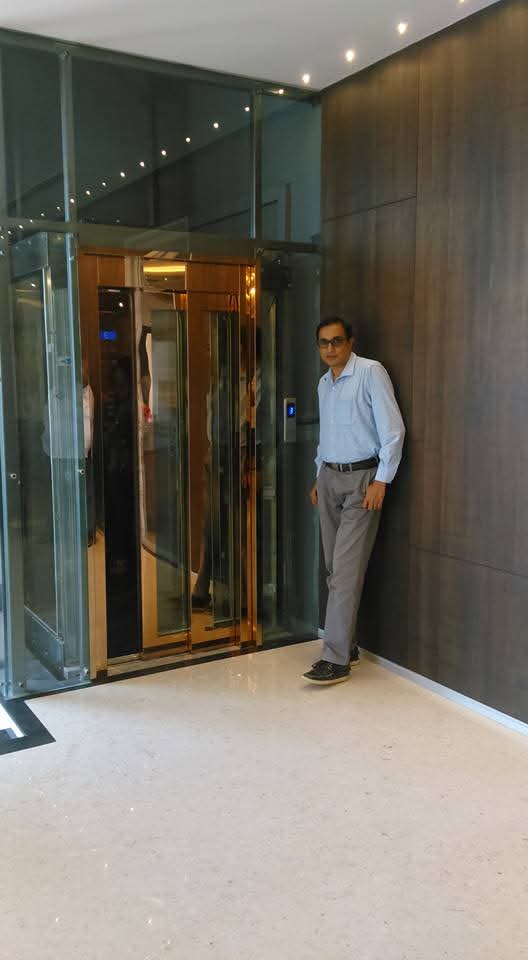
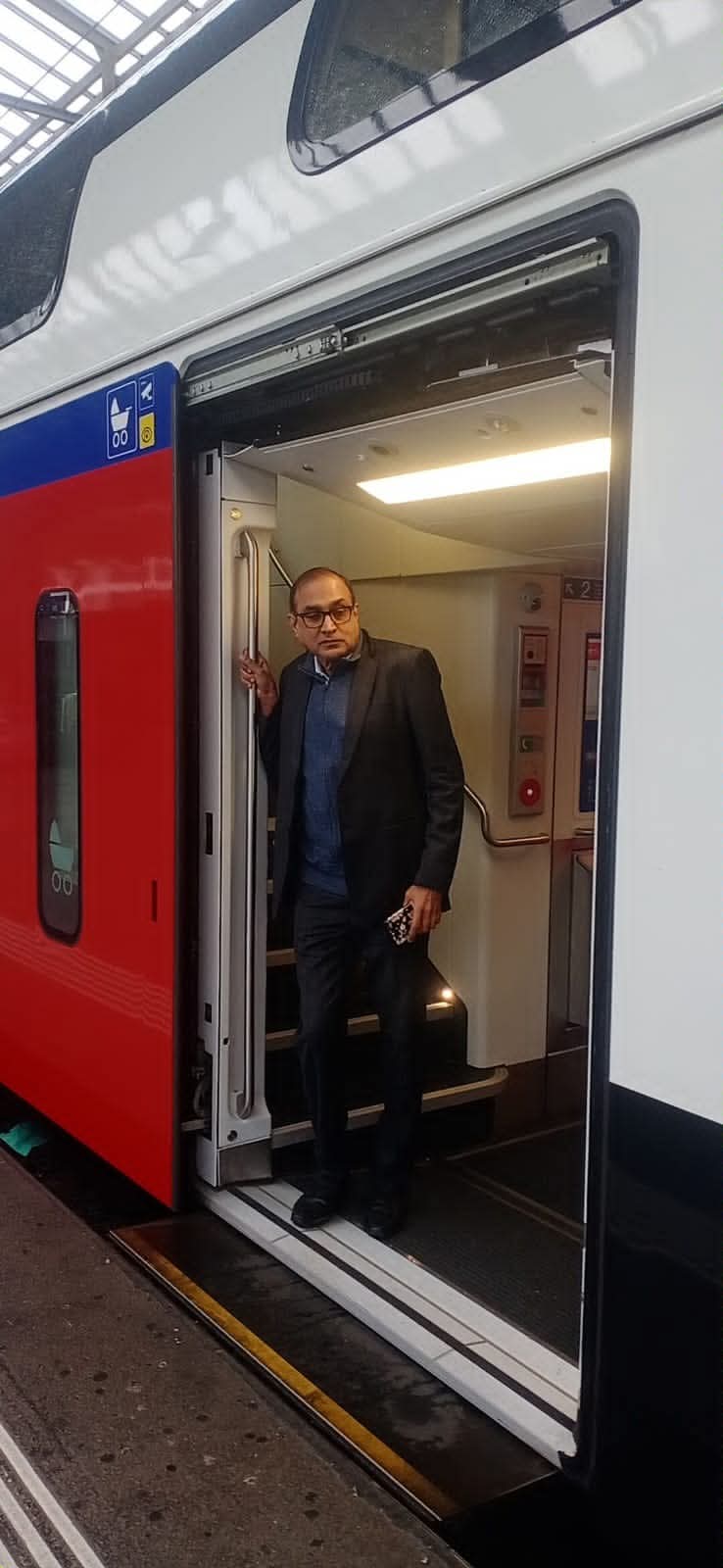
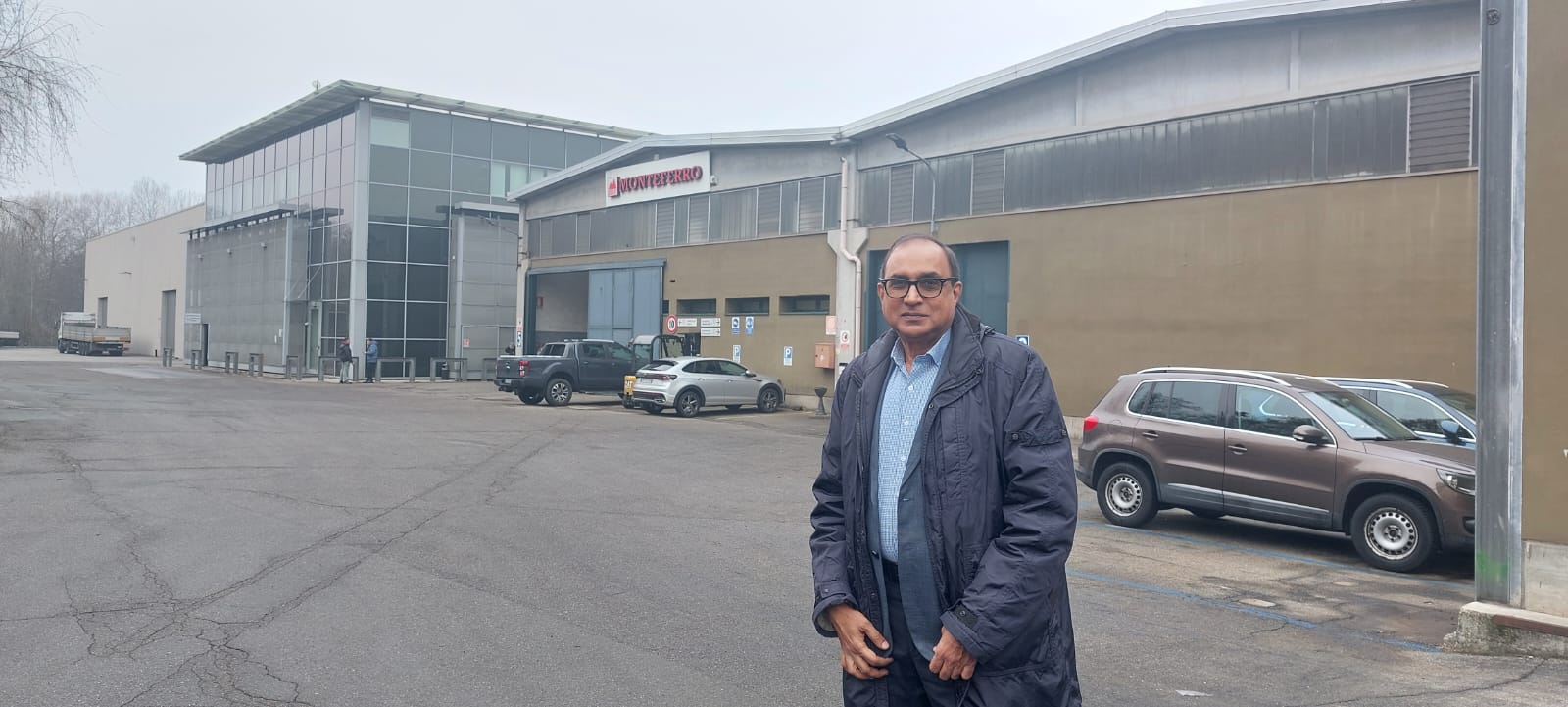
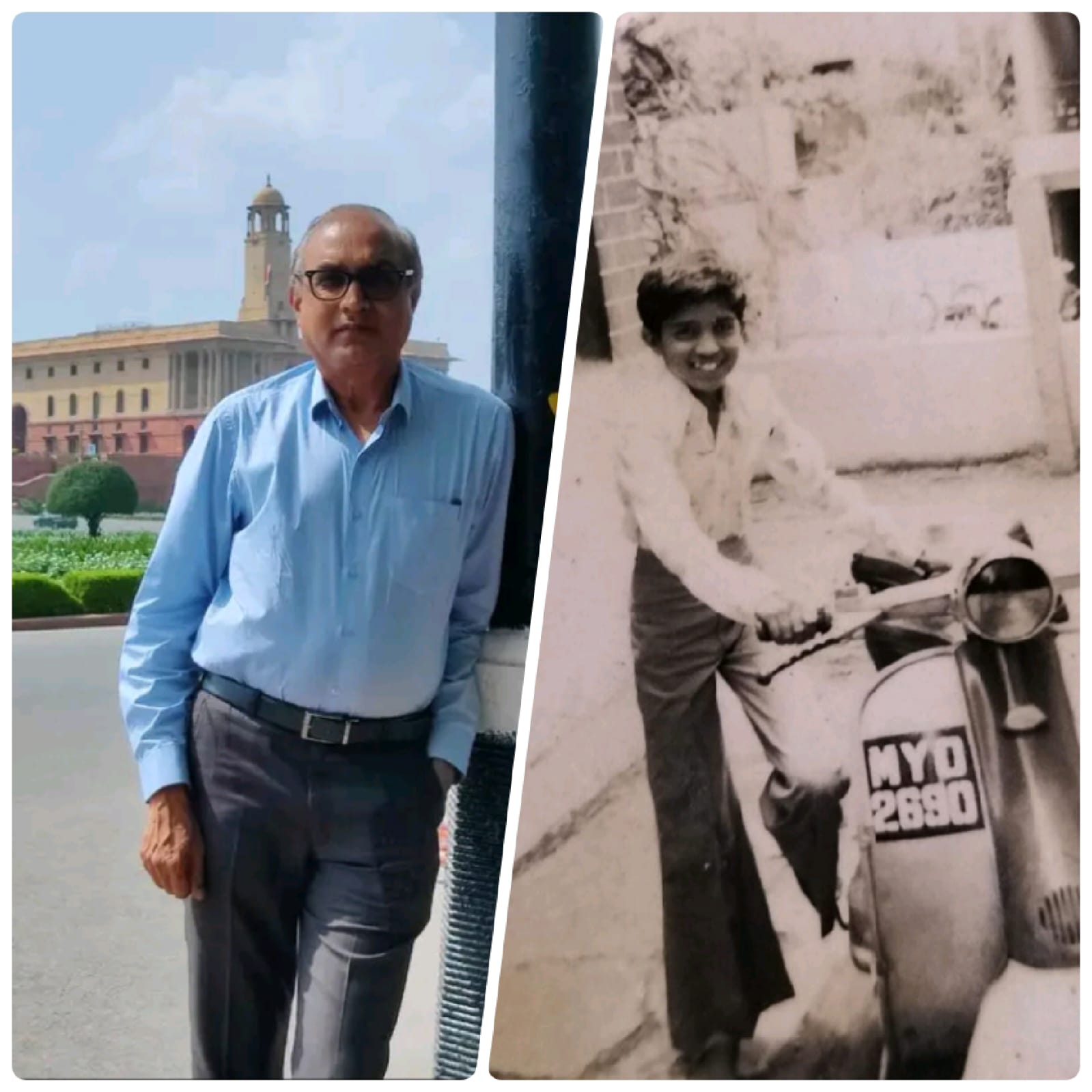
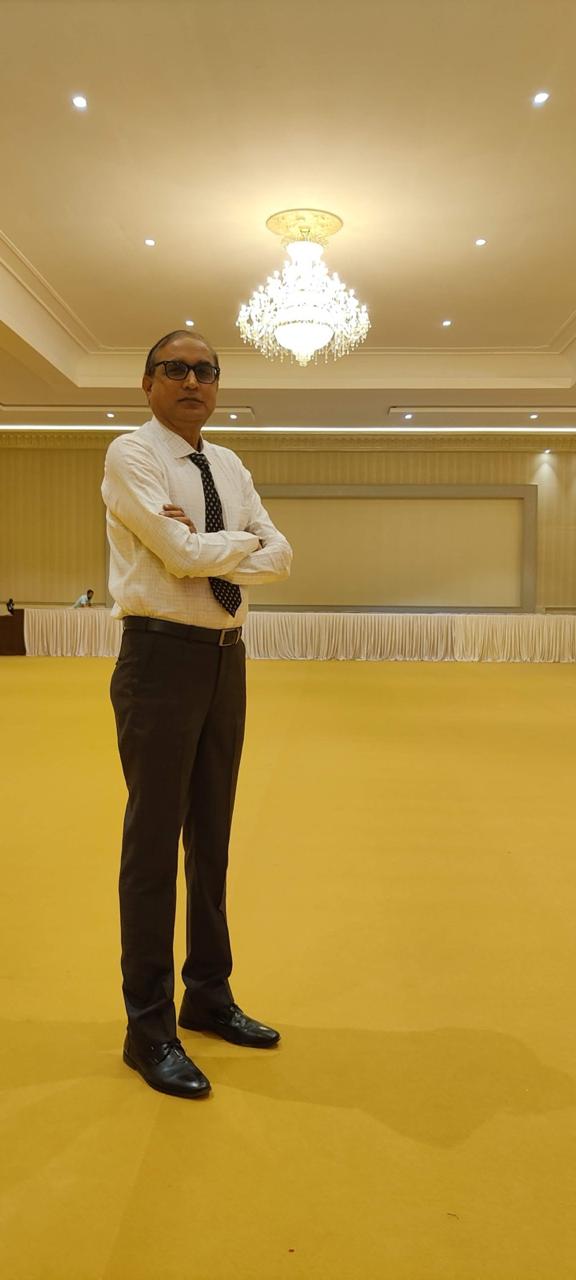
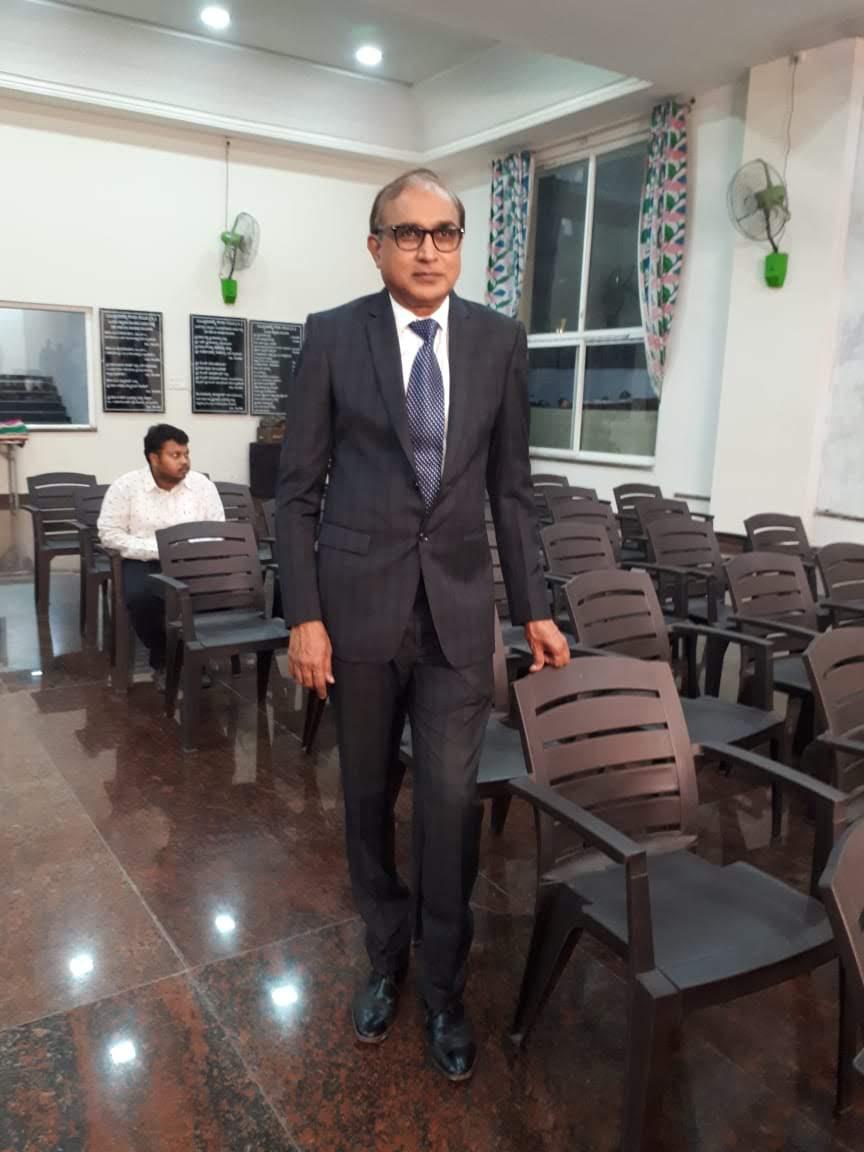
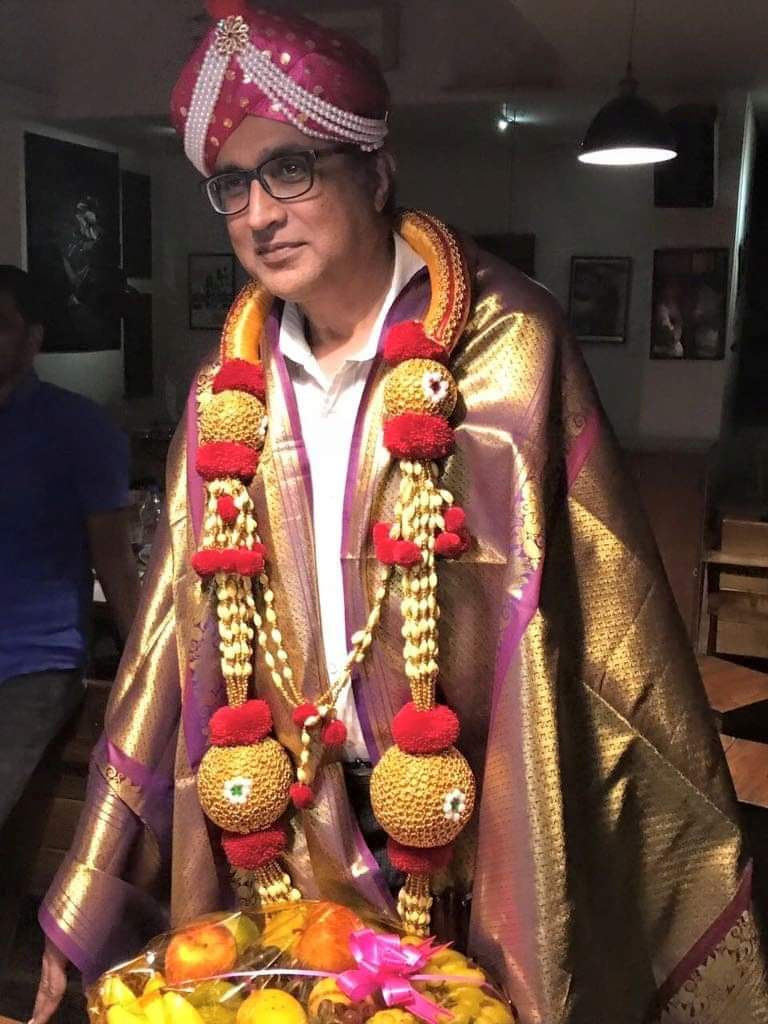


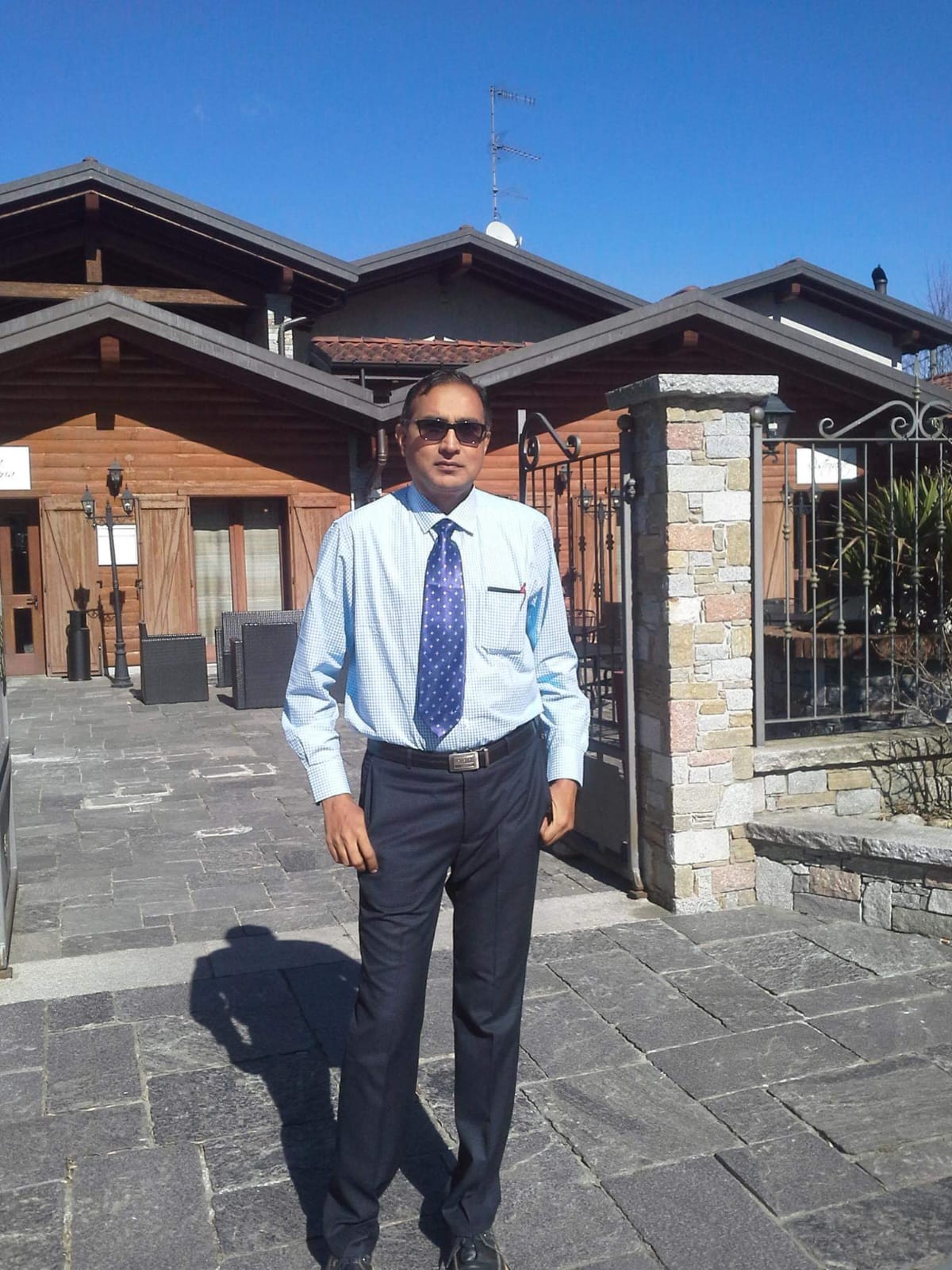
Beyond Nuts & Bolts
A space by ISEE Papers for stories that go beyond machinery, methods and materials, bringing forward the people, memories and lessons that shape the vertical transportation industry.
BSK traits is is to pick the need of a person talking to him and convince him what is right with best example and life lessons
I have an association of close to three decades with Mr. Kumaraswamy in the field of vertical transportation. His hard work, passion for learning, listening skills and helping nature are to be admired and lessons for learning to the youngsters in the industry. Wish him all the best for reaching greater heights in his career.
Congratulations dear Kumar, I am proud to be associated with you in my elevator journey. With lots of memories to carry on.
Wish you all the best for your future career.
One’s loss (sports /volley ball) is other’s gain (vertical transformation), no pain no gain is world’s policy, versatile VHT especially hydraulic /draunic professional as well very good example for those who are not able to excel in dream fieks……
He is truely a genius
Congratulations and happy to see
Very nice person
Kumar is a seasoned professional and, above all, a truly humble and genuine person. I had the privilege of being associated with him during the early and emerging days of VT , and it was a great experience.
Wishing you continued success, Kumar. Keep inspiring and keep rocking! 👏